If you're reading this, you're probably hurting in a way some people around you don't quite understand. So let's say it plainly first: losing a dog is real grief. You lost a member of your family, a daily companion, the one who was happy every single time you walked through the door. The crying that comes out of nowhere, the ache when you reach for a leash you don't need anymore: none of it is an overreaction. It's love with nowhere to go.
This guide is about how to cope with losing a dog. What the grief actually feels like, why it can hit so hard, and small, real ways to carry your dog with you while you heal. There's no timeline here and nothing you're supposed to feel. Take what helps and leave the rest.
Why losing a dog hurts so much
People who haven't lived it sometimes expect you to bounce back in a few days. Here's why it doesn't work that way.
Your dog was part of the ordinary parts of your life in a way most people aren't. They were there at 6 a.m. and again at midnight. They greeted you the same way whether you'd been gone five minutes or five hours. That kind of steady, simple love is rare, and losing it leaves a hole the shape of your whole daily routine.
Then there's the quiet. No nails on the floor, no sighing at your feet, nobody waiting by the window. Grief counselors call these "secondary losses," the small things that disappear along with the big one. With a dog there are dozens of them, and each one can catch you off guard.
The emotions that come with it (all of them are normal)
Grief isn't a straight line, and it rarely looks tidy. You might feel:
- Waves, not stages. Fine one moment, undone the next. This is normal, and it does soften with time.
- Guilt. Especially if you had to make the decision to say goodbye. "Did I do it too soon? Too late? Should I have tried one more thing?" Please hear this: choosing to end a beloved dog's suffering is one of the last and hardest acts of love. It is not a failure. Our guide to the stages of grief after losing a pet explains why guilt shows up so often.
- Relief, if their final weeks were hard. Relief and love can sit side by side. It doesn't mean you loved them less.
- Anger, numbness, or feeling a little lost. All part of it.
There is no wrong way to grieve a dog. The only mistake is believing you're not allowed to.
Gentle things that help in the early days
You don't have to do all of these. Even one can loosen the tightness a little.
Let yourself feel it. Crying is not falling apart. It's grief doing its job, and holding it in usually makes it last longer.
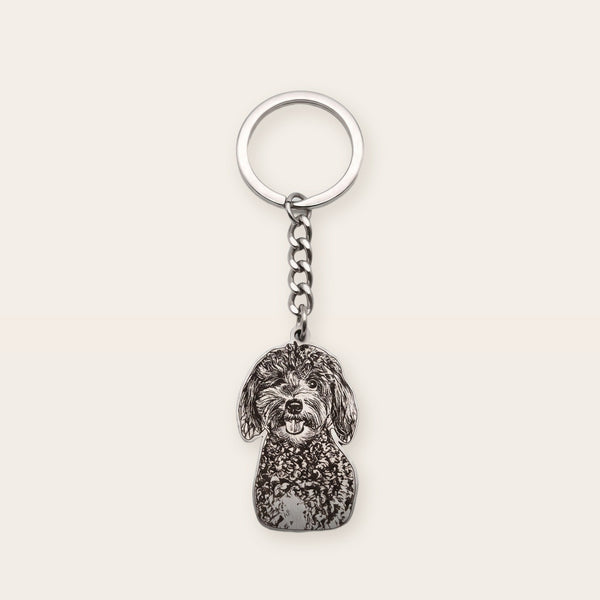
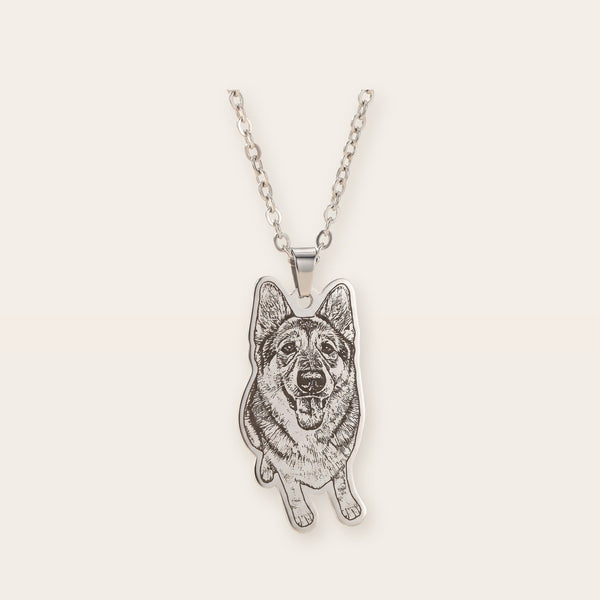
Keep something of theirs close. A collar, a favorite toy, a bit of fur, their tag. Many people find that having something to hold gives the grief somewhere to land. Some choose a keepsake made from a favorite photo, like a small pet photo keychain that comes along on every errand, or a necklace made from their picture, so their dog is close during the hard moments. There's no rush on this. It's simply an option for when you're ready.

Do the practical part when you're able. Calling the vet, choosing aftercare, telling the people who knew them. None of it has to happen in the first hour, and it's fine to ask someone to help. If your dog died at home, our guide on what to do when a pet dies at home walks through it step by step.
Say their name. Talk about them. Tell the funny stories. Grief that gets shared gets a little lighter.
Be patient with the "firsts." The first walk past their favorite spot. The first bag of food you don't need to buy. The first evening nobody begs at the table. These sneak up on people, and knowing they're coming helps.
Coping with the guilt of "was it my fault?"
This one deserves its own moment, because it traps so many grieving dog owners.
Maybe it was an illness that moved fast, an accident, old age, or a decision you made in a vet's office with your hand on their side. Replaying it, looking for the thing you "should" have done, is the mind's way of trying to feel less powerless. It rarely reflects what really happened. You loved your dog and made the best choices you could with what you knew and the options you had. Hindsight invents certainty that never existed in the moment. Be as kind to yourself as your dog always was to you.
Small ways to honor your dog
Grief and love are the same thing wearing different clothes. Giving your love somewhere to go often helps more than trying to "move on." A few ideas:
- A keepsake you can carry: a photo necklace or keychain, a paw-print charm, something with their name and dates.
- A donation to a shelter or rescue in their name.
- A small ritual: planting something, framing a favorite photo, writing them a letter.
- A memory box for their collar, tag, and a few photos.
We go deeper in our roundup of dog memorial ideas. And if words are what you need right now, our collection of pet loss quotes may help.
When the loss is shaped by who your dog was
A tiny dog who lived on your lap leaves a different absence than a big guardian who slept across the doorway. If you'd like ideas written for your dog's breed, we have memorial guides for the Labrador, Golden Retriever, German Shepherd, French Bulldog, Chihuahua, pit bull, Dachshund and Beagle.
When grief feels like too much
Most grief softens with time, even when it doesn't feel like it will. But if weeks go by and you can't function (you're not sleeping or eating, you feel hopeless, or the guilt won't let up), please reach out to your doctor or a grief counselor. Pet-loss support lines and grief groups exist because this loss is real and worth support. Asking for help takes strength. For the weeks and months after, see our guide to healing from pet loss.
You'll carry them, not "get over" them
Here's what almost everyone finds on the other side of this: you don't get over losing a dog. The sharp pain fades, and what's left is softer. A warmth when you remember them, a smile at a photo, gratitude that you got to be their person at all. You carry them. That isn't failing to move on. That's love, continuing.
Whenever you're ready, whether that's today, next month, or a year from now, a keepsake made from your own photo of your dog can be a gentle way to keep them close. There's no timeline and no wrong choice. Just them, still with you.
Frequently Asked Questions
How long does grief last after losing a dog?
There's no set timeline. The intense early pain usually softens over weeks to a few months, but grief comes in waves and can come back around anniversaries or reminders for a long time. That's normal. If grief stays severe or stops you from functioning after several weeks, consider talking to a doctor or grief counselor.
Is it normal to grieve a dog as much as a person?
Completely. Dogs are family, and they're part of your daily life in constant, close ways. Many people find losing a dog every bit as painful as losing a person they love. Your grief is valid.
How do I deal with the guilt of putting my dog down?
Choosing to end a beloved dog's suffering is an act of love, not a failure. Guilt is the mind's way of coping with feeling powerless, and it rarely reflects the care you actually gave. Be gentle with yourself, talk it through with someone who understands, and remember you made the kindest choice you could.
What can I do with my dog's collar or ashes to feel close to them?
Many people keep a collar or tag in a memory box, frame a favorite photo, plant something in their honor, or wear a keepsake made from their dog's photo so they can carry them every day. Choose whatever feels comforting. There's no right or wrong way.