Your friend's dog died, and you're staring at your phone trying to find words that don't sound empty. Here's the good news: you don't need perfect words. What helps most is saying something, using their dog's name, and showing that you know this is a real loss.
Below are messages for each situation, the well-meant lines that tend to hurt, and what to do in the weeks after, which is when most people stop asking.
The three things that matter most
- Say their dog's name. "I'm so sorry about Bailey" lands completely differently from "sorry about your dog." It tells them their dog was a someone, not a something.
- Share one real memory if you have one. The way he leaned on everyone's legs. The time she stole the birthday cake. A specific memory is the most comforting thing you can give.
- Don't rush them anywhere. Not toward feeling better, not toward a new dog, not toward a silver lining. Just let it be sad.
If you're texting tonight
Short is fine. Pick one and add the dog's name:
- "I just heard about [Name]. I'm so sorry. Thinking of you tonight."
- "I'm so sorry. [Name] was such a good dog, and so lucky to have you."
- "No need to reply. I just want you to know I'm thinking of you and [Name]."
- "I'm heartbroken for you. I'll never forget how [Name] [specific memory]."
- "I'm so sorry. Can I drop off dinner tomorrow?"
That last one matters. "Let me know if you need anything" puts the work on them. A specific offer, like dinner, walking the other dog, or picking up the kids, is much easier to say yes to.
If you're writing a card
A card can hold a little more. A simple shape that works:
- Say you're sorry, using the dog's name.
- Share a memory, or what you knew about how much they loved each other.
- Close with warmth, not advice.
"Dear Sam, I'm so sorry about Bailey. I'll always picture her waiting at the window when you pulled in, tail going like crazy. She had the best life with you. Thinking of you, and here whenever you want to talk about her."
If you're stuck for a line, our collection of pet loss quotes has short ones that fit a card.
If you're saying it in person
You don't need a speech. "I'm so sorry about [Name]" and a hug, if that's your relationship, is plenty. Then let them talk. Many grieving people want to tell the story of the last day, or of the day they brought the dog home, and most friends change the subject too fast. Asking "What was [Name] like as a puppy?" can be a gift.
For a coworker
Keep it warm and brief: "I heard about [Name]. I'm really sorry, I know how much you loved him." If your team signs a card, a short line from each person means more than a long one from one person. A small gesture, like covering a meeting so they can leave early, says a lot.
When the loss was sudden, or a hard decision
If the death was sudden (an accident, an illness that moved fast), people are often in shock and replaying what they could have done. Try: "There was no way to see this coming. I'm so sorry."
If they chose euthanasia, they may be carrying guilt about the decision. Try: "You gave [Name] a peaceful goodbye. That was the kindest, hardest thing you could do." Never ask "Was it really time?"
What not to say, and why it hurts
- "It was just a dog." To them it was family. This line makes people hide their grief.
- "You can always get another one." Nobody would say this about a person. A new dog someday is their decision, on their timeline.
- "At least they're not suffering anymore." It may be true, but leading with "at least" shrinks the loss.
- "Everything happens for a reason." Grief doesn't want a reason. It wants company.
- "I know exactly how you feel." Even if you've lost a dog, their loss is theirs. "I remember how hard it was when I lost mine" is gentler.
- "Were you there when it happened?" or "What did they die of?" Let them share details if they want to. Don't ask for them.
Keep showing up after the first week
The first few days bring texts and flowers. Then everyone moves on, and that's when it often gets hardest. A few ways to stay present:
- A week later: "Thinking about you and [Name] today. How are you doing?"
- A month later: mention a memory, or ask how the house feels.
- On the hard dates: their dog's birthday, the anniversary, the first holidays. Put them in your calendar now.
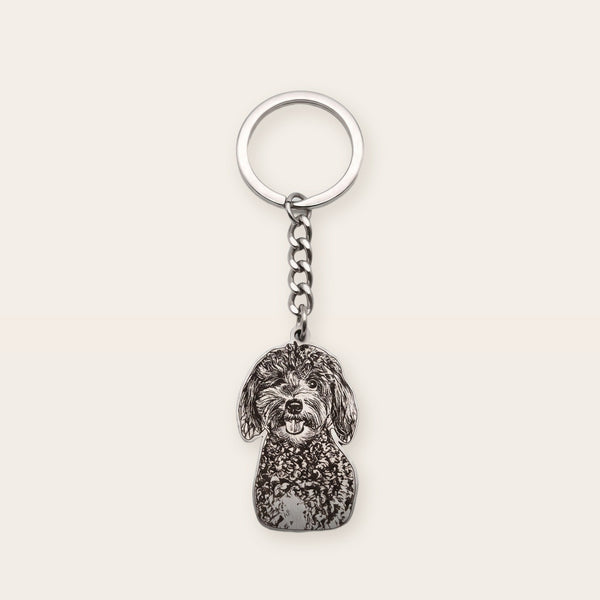
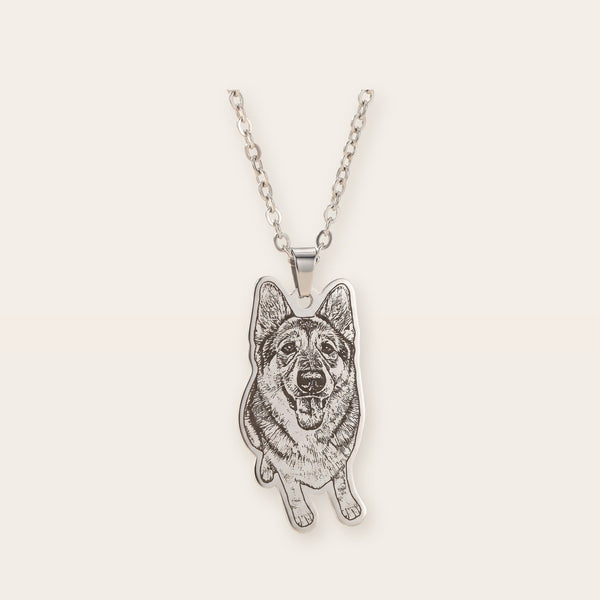
If you'd like to send something that lasts, our guide to gifts for someone who lost a dog covers what helps, from a card with a memory to a keepsake made from their dog's photo, like a pet photo keychain. And if they're having a hard time, you can gently share our guide to coping with losing a dog.
Frequently Asked Questions
What do you say when someone's dog dies?
Keep it simple and use the dog's name: "I'm so sorry about [Name]. I know how much you loved them." If you have a memory of their dog, share it. Avoid "it was just a dog" and anything about getting another one.
What do you text someone who lost their dog?
Something short like "I just heard about [Name]. I'm so sorry, and I'm thinking of you," plus "no need to reply." Add a specific offer, like dropping off dinner, rather than "let me know if you need anything."
What should you not say to someone who lost a pet?
Skip "it was just a dog," "you can get another one," "at least they're not suffering," "everything happens for a reason," and questions about how the dog died. Each one, however kindly meant, makes the loss feel smaller.
Is it okay to send a gift when someone's dog dies?
Yes, and it's often appreciated, especially a week or two later when the first wave of support has passed. A card with a memory, a meal, or a keepsake made from their dog's photo are all good choices.
How long after a dog dies should you check in?
Check in a week later, again a month later, and on the hard dates like the dog's birthday or the anniversary of their death. Most people stop asking after the first few days, so a later message means a lot.